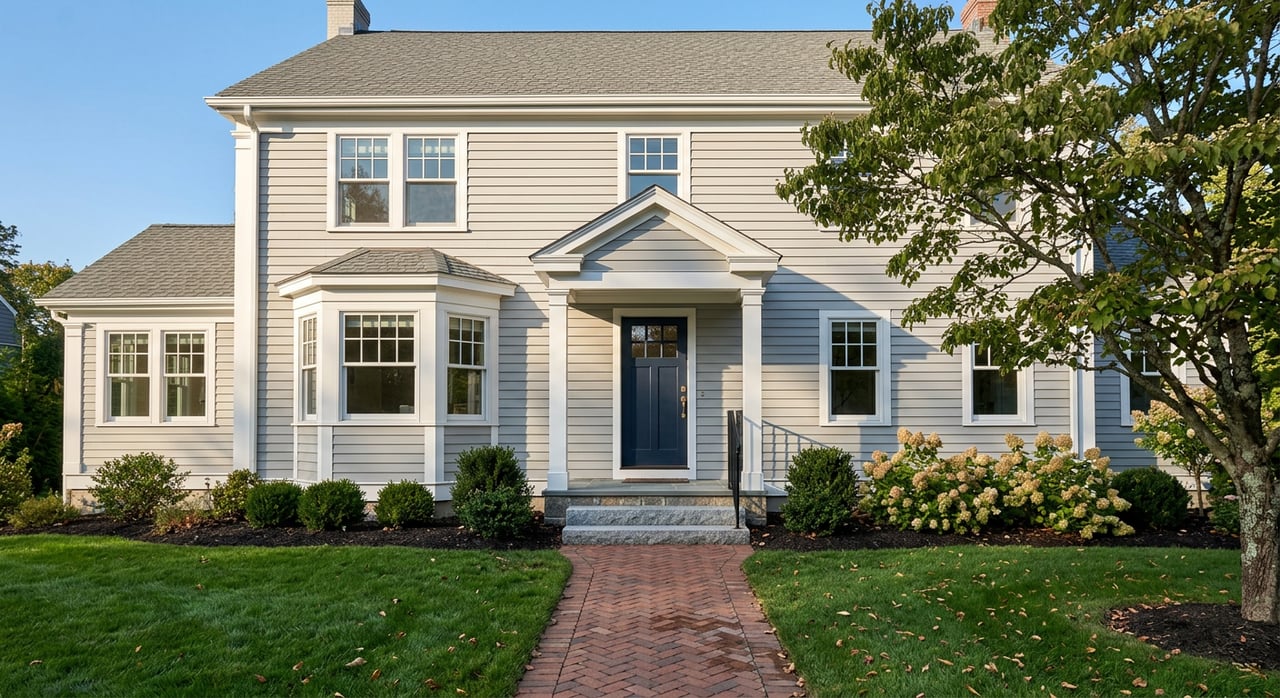
Guide to Newton MA Villages and Homes for Today’s Buyers
March 5, 2026
March 5, 2026
Trying to choose the right Newton village for your next home? With 13 distinct village centers, each offering a different mix of streetscape, home styles, and commute options, it can feel overwhelming. You want a place that fits your routine and budget, from coffee runs and rail access to yard space and weekend parks. This guide breaks down the village patterns, common house types, transit, and standout amenities so you can tour with confidence. Let’s dive in.
Newton is one city made up of 13 historically named villages. The city’s planning materials treat these as different types of centers, from lively village cores to smaller convenience nodes. That is why some places feel like a mini downtown while others read as quiet residential pockets. The city’s Pattern Book explains these center types and typical built form, including sidewalk expectations and mixed-use patterns. You can learn more about how village centers are classified in the city’s planning overview of geography and village centers on the City of Newton site.
Newton’s housing reflects more than a century of building. The municipal House Styles map is the best reference for where specific forms cluster across the city. You will see:
For block-level accuracy on styles and lot patterns, consult the city’s House Styles map published by Newton.
Use this quick framework to narrow your search:
Newton Centre functions like a small downtown, with a compact triangle of cafes, restaurants, and services around Centre Street, Langley Road, and Beacon Street. Streets are pedestrian oriented, and many errands can happen on foot. Nearby blocks feature well-preserved late 19th and early 20th century homes, including Colonials, Tudors, and Queen Anne forms, with condos and small multifamily closer to the core. The D branch stop at Newton Centre makes this a strong pick if you prize frequent light rail. Crystal Lake and nearby parks add a true neighborhood anchor.
Newton Highlands offers a smaller, walkable center with a short, lively commercial strip. Housing is primarily late 19th and early 20th century single-family homes, with some small multifamily and condos near the village core. You also have D branch access at Newton Highlands, plus short drives to Route 9 for regional errands.
Waban reads as a leafy residential village built around a small green and tidy commercial node. Streets feel calm, and the scale suits buyers who like coffee and daily services within a short stroll. Housing is predominantly single-family, often Colonial and Tudor on generous lots. The Waban stop on the D branch provides easy rail access with a quieter residential backdrop.
Chestnut Hill blends park-like residential streets with major retail hubs, including The Street and The Shops at Chestnut Hill. These are regional shopping anchors that draw many Newton residents; get a sense of the retail mix by reviewing this overview of The Shops at Chestnut Hill. Housing includes larger lots, higher-end single-family homes, and condominium options, with notable Tudor and Colonial forms as well as architect-designed residences. Chestnut Hill also has D branch access and direct connections to Route 9 and Hammond Pond Parkway.
Newtonville centers on Walnut and Washington Streets, with an active main street, grocery options, and recent mixed-use projects that add to its urban feel. You will find a mix of Victorian single-family homes on side streets, some mid-century pockets, and condos or multifamily near the commercial spine. The commuter-rail stop at Newtonville, plus nearby Mass Pike access, makes it a practical base for Boston-bound riders and suburban drivers alike. See the station context on the Newtonville commuter-rail page.
West Newton features a lively village square with restaurants and services, and a historic district near the commuter-rail stop. Housing mixes historic single-family homes with more small-lot multifamily near the square. If you value a compact center and rail service on the Framingham/Worcester Line, this village belongs on your tour list.
Auburndale sits along the Charles River and offers quiet, leafy streets with recreation woven into daily life. You will see a blend of Victorians, Colonials, and mid-century homes, with designated historic districts in parts of the village. For outdoor time, Norumbega Park and the river conservation areas are standout anchors for paddling and walking. Learn more about Norumbega Park and river access. Auburndale has a commuter-rail stop and quick access to I‑90 and Route 128, plus proximity to the Riverside Green Line terminal in the Lakes District.
Upper Falls offers a compact historic mill-village feel with scenic river and bridge features. Echo Bridge and Hemlock Gorge are signature landmarks that give the area distinct character. The core includes earlier worker housing and modest single-family homes, with notable 19th century buildings and local historic district protections in parts. Explore the setting around Hemlock Gorge and Echo Bridge.
Newton sits above the Greater Boston median home value. Citywide snapshots in January 2026 showed a median sale price around 1.48 million dollars, with typical Newton price levels clustering from about 1.2 to 2.5 million depending on village and home type. Premium village cores like Chestnut Hill and Newton Centre tend to sit at the top of the local range, while areas like Nonantum and some parts of Newton Corner have historically shown lower median closings within the city. Source: Redfin, Jan 2026. Always date-stamp market references, since medians shift monthly and can be volatile in small subareas.
Choosing the right Newton village is about matching daily life to the built environment. With decades of local experience across Newton, Chestnut Hill, and Brookline, Joan brings a calm, high-touch process that helps you weigh tradeoffs, value, and timing. If you want a trusted guide to plan tours, compare neighborhoods, and navigate offers, reach out to Joan Solomont. Request a complimentary market consultation and take the next step with confidence.
Reach out to Joan for expert real estate services. Buy, sell, or rent properties with confidence.
Get In Touch With Joan To Learn More
27 BOYLSTON ST STE 310 CHESTNUT HILL MA 02467