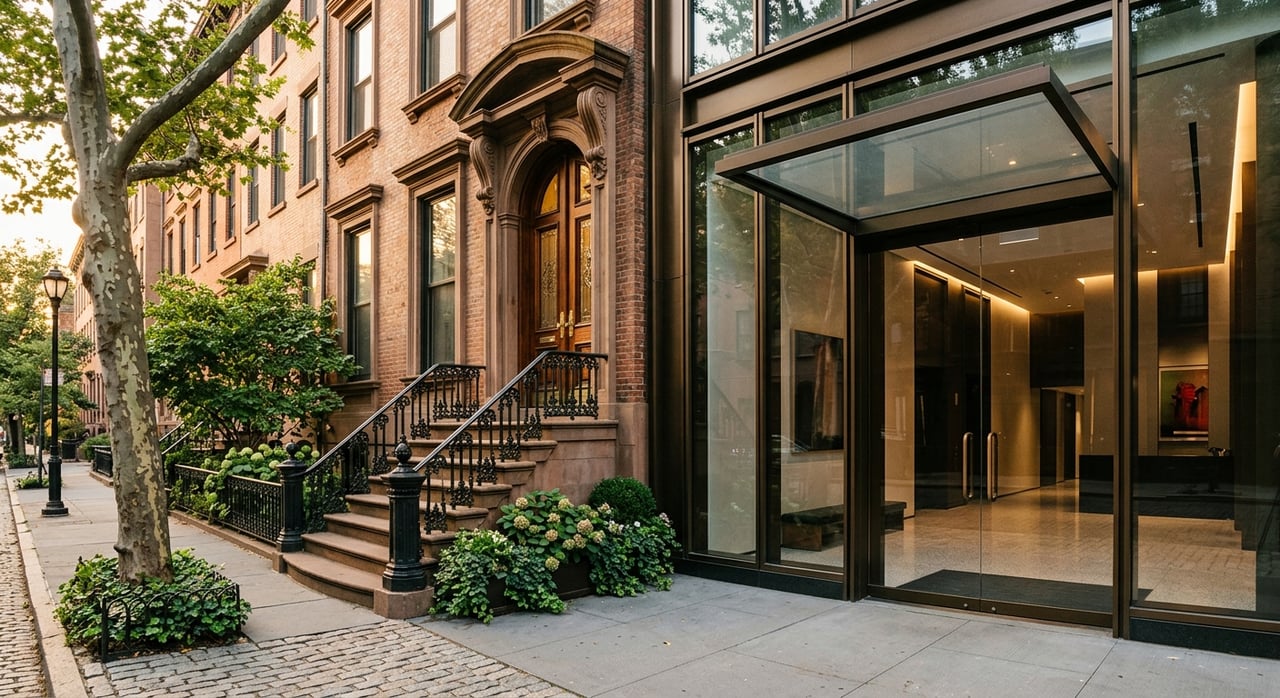
Boston Brownstone vs High Rise: Which Home Fits?
April 23, 2026
April 23, 2026
If you are deciding between a Boston brownstone and a high-rise condo, you are really choosing between two very different ways of living. One offers historic character, block-by-block identity, and a close connection to the street. The other often brings simpler building operations, shared upkeep, and easy access to the city core. Understanding those trade-offs can help you buy with more confidence. Let’s dive in.
In Boston, this comparison is especially local. The city’s classic brownstone and rowhouse living is concentrated in historic districts like Back Bay, Beacon Hill, Bay Village, and the South End, where brick row houses and Victorian brownstones shape the streetscape.
High-rise living is more closely tied to Downtown, the Wharf District, the West End, and parts of Back Bay. According to the City of Boston’s Downtown zoning update, the area is being reshaped to support more housing and mixed-use growth around the transit core.
That means your decision is not just about unit style. It is also about how you want to experience Boston day to day, from the feel of your street to the amount of shared management involved in owning your home.
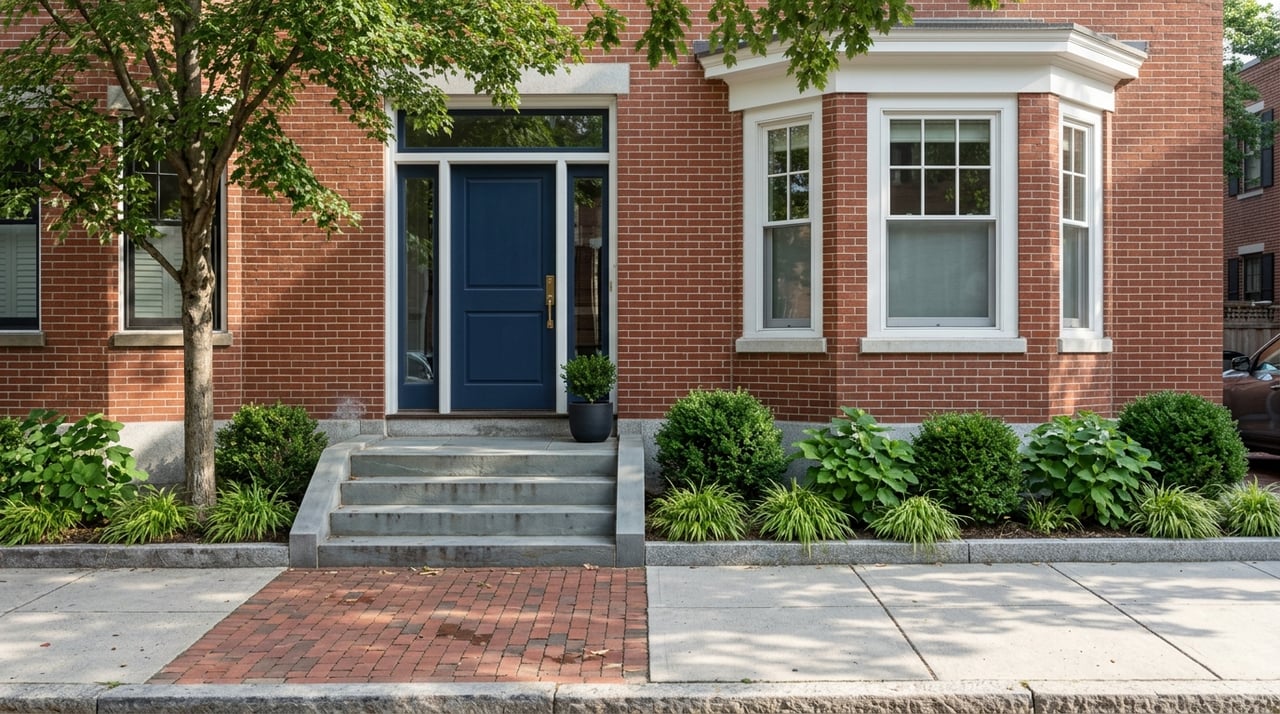
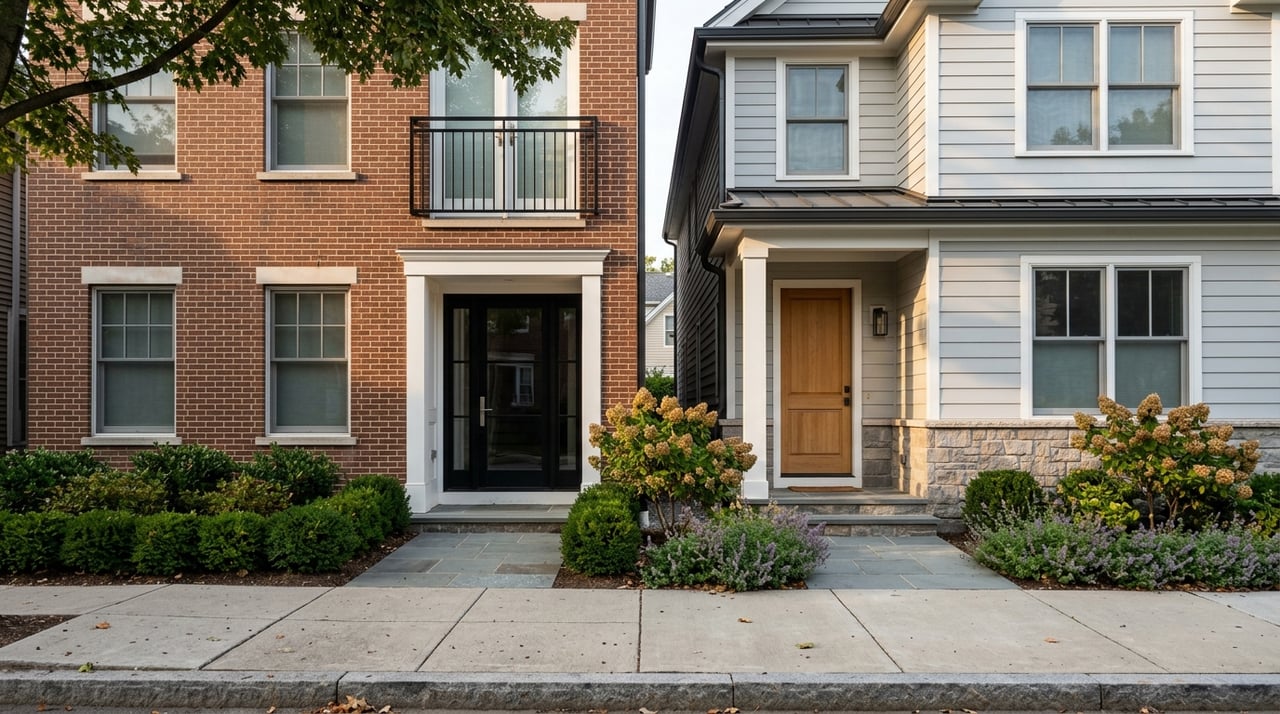
For many buyers, brownstones deliver something that newer buildings cannot easily copy. In neighborhoods like Back Bay and Beacon Hill, the appeal often starts with historic detail, brick sidewalks, decorative ironwork, and the sense of living on a well-defined residential block.
The City of Boston’s Back Bay neighborhood profile highlights vintage homes along Newbury, Boylston, and Commonwealth. In Beacon Hill, the city points to brick row houses, ornate doors, and gas lamps that help define the neighborhood’s look and feel.
Brownstones can also offer a stronger sense of street presence. Instead of entering through a large shared lobby, you may step directly into a smaller building environment that feels more tied to the block itself.
If you are drawn to brownstone living, these are often the biggest benefits:
For some buyers, those qualities are worth accepting a little more complexity in ownership.
Character often comes with responsibility. In historic districts, exterior changes may require review before any work begins, which can affect timelines and planning.
For example, the Back Bay Architectural District requires review and approval for proposed exterior work. That can include items such as windows, masonry, and roof work.
This does not mean brownstone ownership is a bad fit. It simply means you should go in with open eyes about upkeep, building condition, and how decisions are made if the property is part of a condominium association.
Before buying a brownstone unit, consider asking:
These questions can help you understand whether the home’s charm lines up with your comfort level for ongoing maintenance.
High-rise condos appeal to buyers who want a more managed ownership experience. In many buildings, the condo association handles common areas, building operations, and long-term reserve planning.
According to the MassHousing homeowner resource guide, condo associations typically maintain common areas such as hallways, elevators, stairways, parking lots, and grounds. They also collect monthly fees and build reserve funds for major replacements.
For buyers who value convenience, this can create a more lock-and-leave lifestyle. Instead of coordinating as much of the shared building upkeep yourself, you are relying more on an established building structure and budget.
High-rise living may be a strong fit if you want:
Boston’s Downtown planning changes reinforce this pattern, with the city encouraging more housing and mixed-use activity in the urban core.
The biggest trade-off is often monthly carrying cost. Condo fees can be substantial, and they do not always match perfectly from one unit to another.
Under Massachusetts General Laws Chapter 183A, Section 6, common expenses may vary based on factors such as unit location, amenities, and limited common areas. That means two units in the same building may not carry identical monthly fees.
You should also think about privacy and daily environment. Shared elevators, lobbies, and common spaces can feel more communal than a smaller brownstone setting.
When evaluating a tower or larger condo building, ask:
Those answers can help you compare convenience against total monthly cost.
Taxes are not usually the deciding factor between brownstone and high-rise living. In Boston, the bigger variable is generally the assessed value of the property and whether you qualify for the owner-occupant exemption.
The City of Boston states that the 2026 residential tax rate is $12.40 per $1,000 of assessed value. The city also notes that qualified owner-occupants may save up to $4,353.74 through the residential exemption.
In practical terms, your cost comparison should focus more on purchase price, monthly condo fees, expected maintenance, and future repair exposure. Those factors often shape affordability more than property type alone.
If you love architectural detail, a more intimate block feel, and a stronger connection to Boston’s historic neighborhoods, a brownstone may be the better match. You may give up some convenience, but you gain character and a distinctive setting.
If you prefer more predictable shared operations, easier upkeep, and a location tied to the city’s denser core, a high-rise may make more sense. You may trade some autonomy and privacy, but you gain a more managed ownership experience.
A simple way to think about it is this: brownstones often trade convenience for character, while high-rises often trade autonomy for service and efficiency.
When buyers are torn between these two options, I often suggest focusing on daily life rather than labels. Think about how much maintenance involvement you want, how important privacy is to you, and whether you feel more at home on a historic residential block or in a building with more shared systems and activity.
It also helps to review each property in its real context. A well-run condo in a brownstone can feel very different from a larger historic building with deferred exterior work, just as one high-rise may offer a much more streamlined ownership experience than another with higher fees or upcoming projects.
If you want guidance comparing Boston neighborhood options and condo ownership trade-offs, Joan Solomont offers experienced, personalized support to help you make a confident move.

Reach out to Joan for expert real estate services. Buy, sell, or rent properties with confidence.
Get In Touch With Joan To Learn More

27 BOYLSTON ST STE 310 CHESTNUT HILL MA 02467