Smart Cambridge Multi-Family Home Buying for Flexible Living
May 7, 2026
May 7, 2026
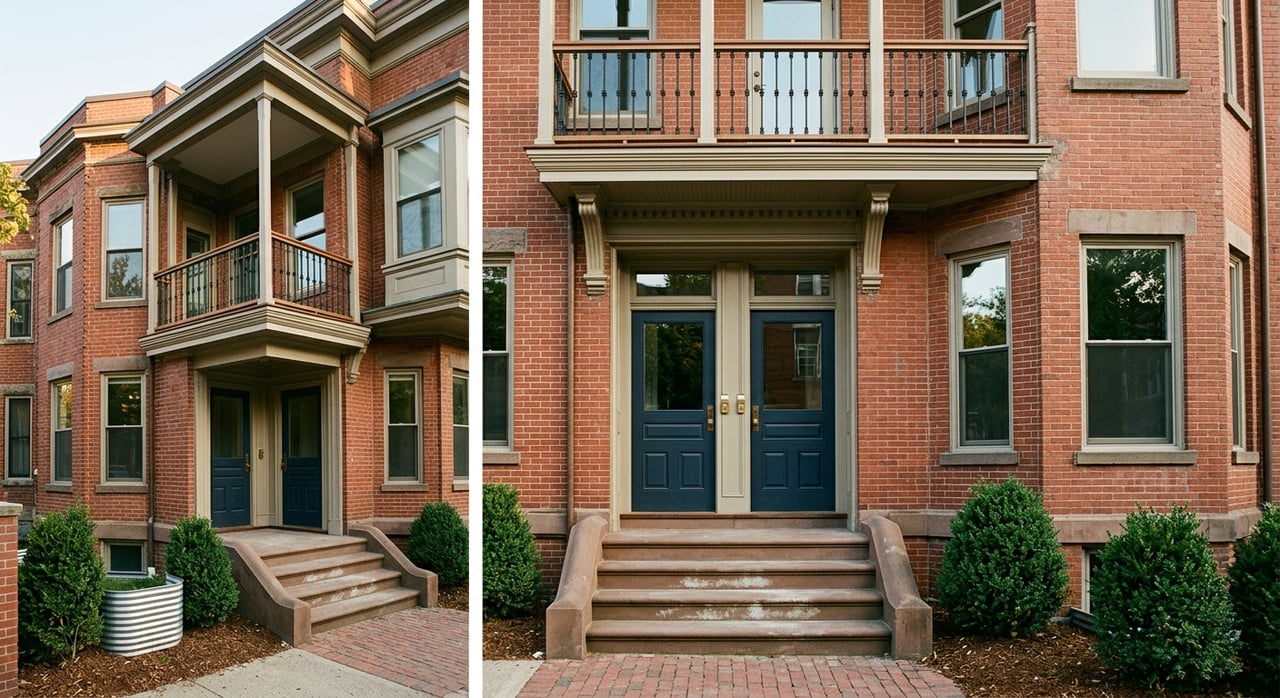
If you want a home that can adapt with your life, a Cambridge multi-family may deserve a closer look. You may be thinking about living in one unit now, creating room for extended family later, or offsetting some of your housing costs with rental income. In Cambridge, that kind of flexibility can be very appealing, but the smartest purchase usually comes down to careful property-level due diligence. Let’s dive in.
Cambridge offers a unique setup for buyers who want both a place to live and a property with more than one possible use. In February 2025, the city adopted zoning changes that allow multifamily housing in all districts except open space. At the same time, existing single-family homes can remain, and new single-family homes can still be built.
That broader zoning picture matters, but it does not mean every property can be changed however you want. Height, setback, and open-space rules still apply to additions and redevelopment. For most buyers, the real question is not just whether multifamily housing is allowed in general, but what is allowed on a specific lot and in a specific building.
Cambridge also treats multi-family ownership as a normal path for homebuyers. The city offers a multi-family home class for prospective buyers and maintains separate resources for homeowners and multi-family owners. That is a helpful reminder that when you buy this type of property, you are often evaluating it as both a home and an operating asset.
A multi-family purchase can support several kinds of living arrangements without requiring you to predict your next ten years perfectly. You might live in one unit and rent another, create space for relatives, or keep an extra unit available for future changes in work or family life.
That flexibility is one of the main reasons buyers look at two-family, three-family, and four-family properties in Cambridge. The property may give you options that a condo or single-family home cannot. Still, the value of those options depends on whether the unit layout, legal status, and building records support your intended use.
Before you fall in love with a floor plan or income scenario, confirm how the property is recognized by the city. In Cambridge, buyers should verify the legal unit count, prior permits, certificate-of-occupancy history, and any past housing inspections before assuming a building can be used or altered as planned.
Cambridge’s Inspectional Services Department keeps records for building, plumbing, and electrical permits, along with housing inspections and certificates of occupancy and inspection. Those records can help you understand whether past renovations were properly permitted and whether the building’s current setup matches the paper trail.
This step is especially important if a listing suggests extra flexibility, such as a finished basement, an attic unit, or a separate space for guests or work. If you are counting on a certain use to make the property work for your household or budget, you want that use confirmed early.
When you evaluate a Cambridge multi-family, broad assumptions are less useful than specific questions. The goal is to understand the building you are actually buying, not the one you imagine after a quick cosmetic update.
Here are a few smart questions to raise during due diligence:
These questions can help you avoid surprises and shape a more realistic ownership plan.
Financing for a multi-family home can be very workable, especially if you plan to live in one of the units. FHA-insured mortgages are available for owner-occupied one- to four-unit properties, and HUD says the down payment can be as low as 3.5%.
That can make a multi-family purchase more accessible than some buyers expect. If your goal is to occupy one unit and rent the others, this is one of the key financing paths worth discussing with your lender early in the process.
Rental income may also help with qualifying. CFPB guidance says rental income from tenant-occupied units may be used for qualification, but lenders generally want supporting documents such as a current lease, an agreement to lease, or a 24-month rental history without unexplained gaps.
Projected rent is not typically treated as a simple one-for-one offset to your mortgage payment. CFPB guidance says lenders generally deduct vacancy and maintenance factors before counting projected rent. That means your financing strategy should be based on conservative numbers, not best-case assumptions.
The number of units in the building can change the loan conversation. CFPB Regulation Z says that credit used to acquire rental property that is or will be owner-occupied within the coming year is deemed business-purpose credit if it contains more than two housing units.
In practical terms, buyers of three-family and four-family properties should ask lenders and attorneys how the transaction will be classified and what that may mean for underwriting and disclosures. This does not automatically make a purchase impossible, but it does mean the financing path may look different from a typical one- or two-family purchase.
A few lender questions can save you time:
If you plan to occupy the property, ask about the city’s residential exemption. Cambridge offers a residential exemption for taxpayers who own and occupy their home, so an owner-occupant multi-family buyer should check with the Assessing Department about whether the property qualifies and what documentation is needed.
That question can have a meaningful impact on your ownership costs. It is worth clarifying before closing so you understand the full financial picture, not just the purchase price and mortgage payment.
Cambridge also offers a Home Improvement Program that provides low-cost financing for income-eligible owners of one- to four-family properties to address code violations or make needed upgrades. If you are considering a property that may need repairs or systems work soon after closing, this is another useful local resource to ask about.
With multi-family homes, condition is not a side issue. It is central to how comfortably you can live there, how much you may need to spend after closing, and how smoothly rental units may operate.
Cambridge’s Inspectional Services Department enforces the Massachusetts State Sanitary Code, and the city notes common complaints such as no heat, insufficient hot water, plumbing problems, cross metering, rodent infestation, hoarding, rubbish, and landlord maintenance responsibilities. For buyers, that is a strong reminder to look closely at systems, utilities, and overall building upkeep.
A lower purchase price can lose its appeal quickly if the property needs major work right away. During inspections and attorney review, it helps to focus on heating, hot water, plumbing, electrical updates, utility setup, and any signs of deferred maintenance.
Rodents are also a practical issue in Cambridge, and the city offers a free exterior rodent-control program for residential properties with four or fewer units. That does not replace private due diligence, but it does show the city recognizes this as a real ownership concern for smaller multi-family properties.
In Cambridge, lead-safe due diligence is especially important because many homes were built before 1978. Massachusetts says homes built before 1978 may contain lead, and when children under 6 live in the home, lead hazards must be removed or controlled.
The state also requires sellers, real estate agents, and owners who rent pre-1978 homes to notify buyers and tenants of lead risks. For a sale, the Property Transfer Lead Paint Notification must be provided before the buyer signs a purchase and sale agreement or a lease with an option to purchase.
If you plan to rent a unit, landlords must provide the required tenant lead notifications and related disclosures. If a child under 6 will live in the rental unit, the owner must delead or place hazards under interim control.
This is not a detail to leave for the last minute. Ask whether there are existing lead reports, letters of compliance, or letters of interim control for the building. Massachusetts also keeps lead-history records for homes built before 1978, which may help you understand whether the property already has a compliance history or needs more investigation.
If you are considering a Cambridge multi-family for flexible living, keep your due diligence focused and practical. A clear checklist can help you compare properties more confidently.
Before you commit, try to confirm:
The best Cambridge multi-family purchase is not always the one with the most upside on paper. Often, it is the one where the records, condition, financing, and future use all line up cleanly.
Buying a multi-family in Cambridge can be exciting because it offers flexibility that is hard to find elsewhere. It can support your current lifestyle while giving you room to adapt over time. But a good outcome usually depends on asking the right questions early and understanding the property as it truly exists today.
That is where experienced, detail-oriented guidance can make a real difference. If you want help evaluating a Cambridge multi-family purchase and building a smart plan around your goals, Joan Solomont can help you move forward with clarity and confidence.





Reach out to Joan for expert real estate services. Buy, sell, or rent properties with confidence.
Get In Touch With Joan To Learn More

27 BOYLSTON ST STE 310 CHESTNUT HILL MA 02467