Living in Brookline MA: What Daily Life Really Feels Like
February 5, 2026
February 5, 2026
Thinking about a move to Brookline, but not sure what daily life actually looks like? You want a place that balances city energy with neighborhood comfort, solid transit, and reliable amenities. In this guide, you’ll get a clear picture of where Brookline sits, how its neighborhoods feel, what your commute and weekends might look like, and practical tips for buyers comparing homes. Let’s dive in.
Brookline sits directly west of Boston and shares borders with Back Bay, Fenway, Jamaica Plain, and Allston/Brighton. It is its own town with local services and governance through the Town of Brookline. Many neighborhoods are only 2 to 5 miles from major job centers like the Back Bay and Longwood Medical Area. That proximity gives you quick access to Boston’s core while keeping a distinct community feel.
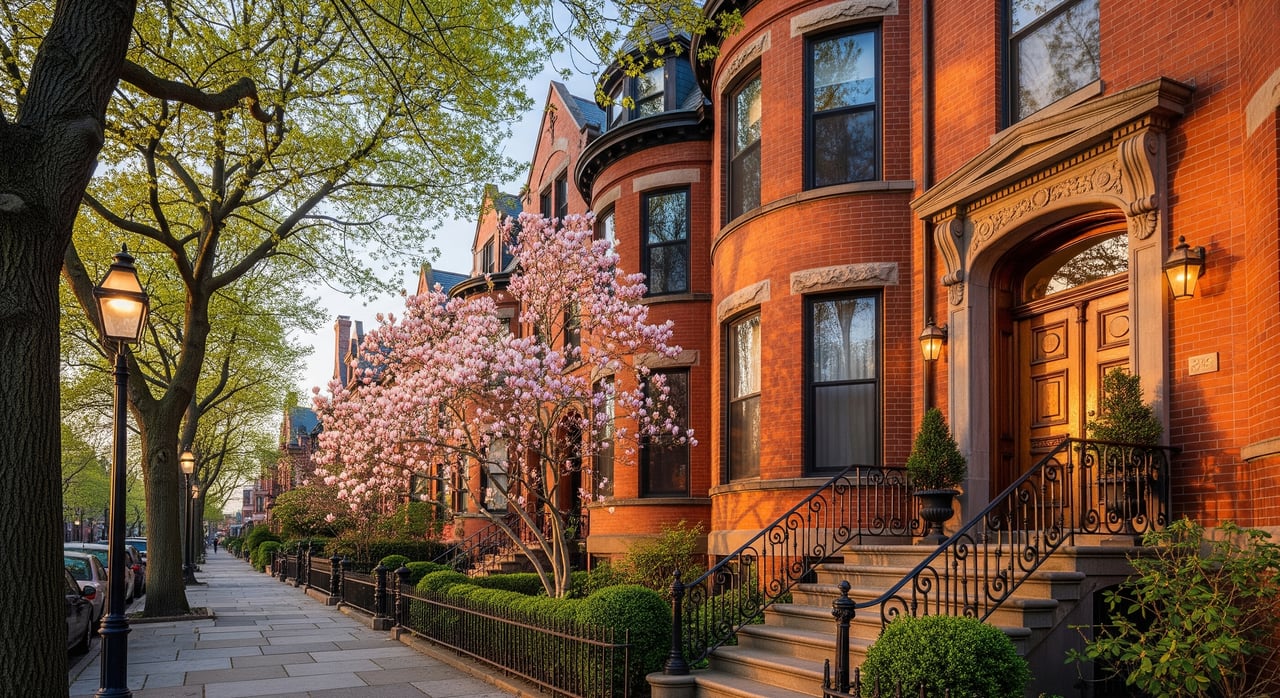
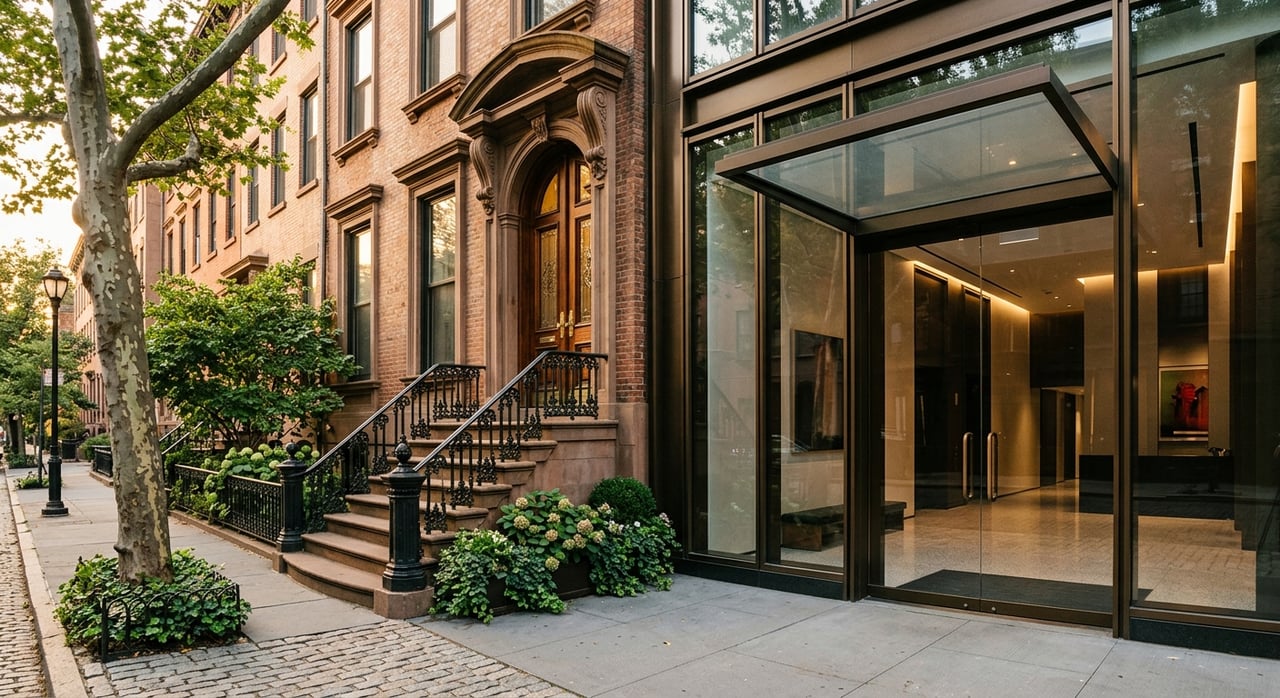
You’ll notice an urban-suburban blend. Streets are tree lined and walkable, with a mix of single-family houses, multi-family buildings, and condos. Commercial corridors sit close to residential blocks, so you can often run errands, grab a coffee, and catch a train within a few minutes’ walk.
Brookline’s micro-neighborhoods each offer a different pace and housing mix. Here is a quick overview to help you narrow your search.
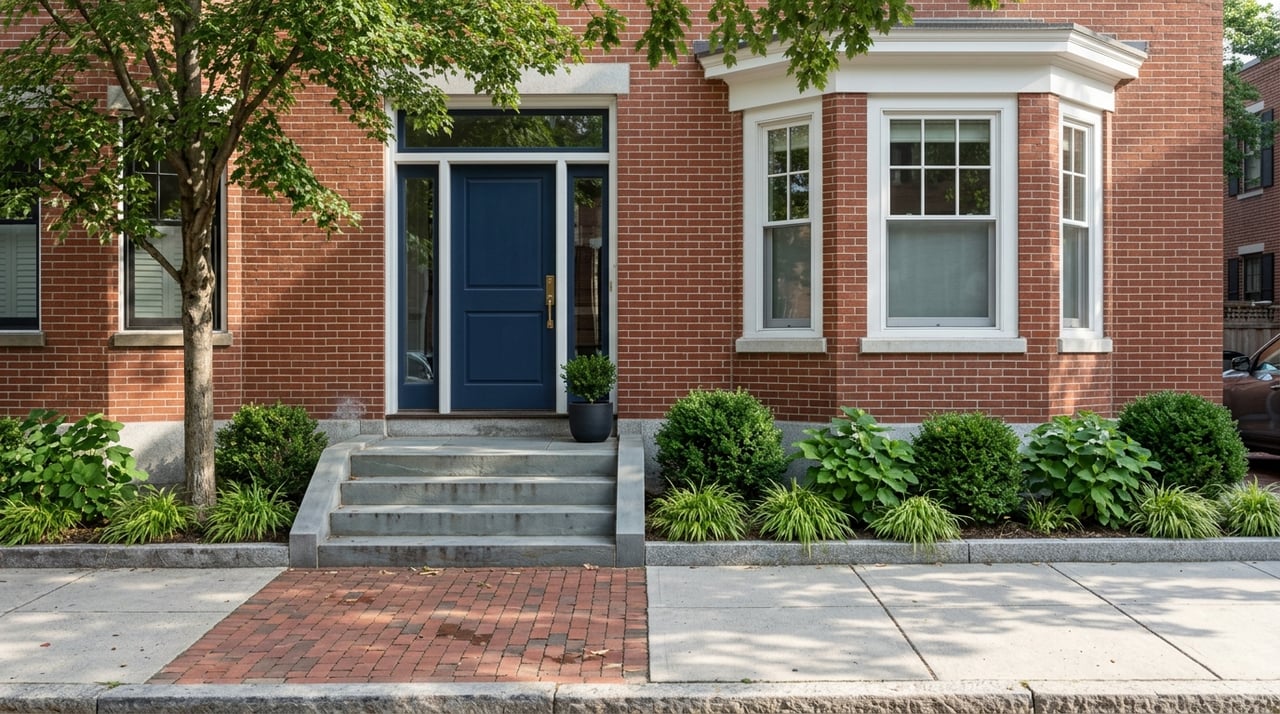
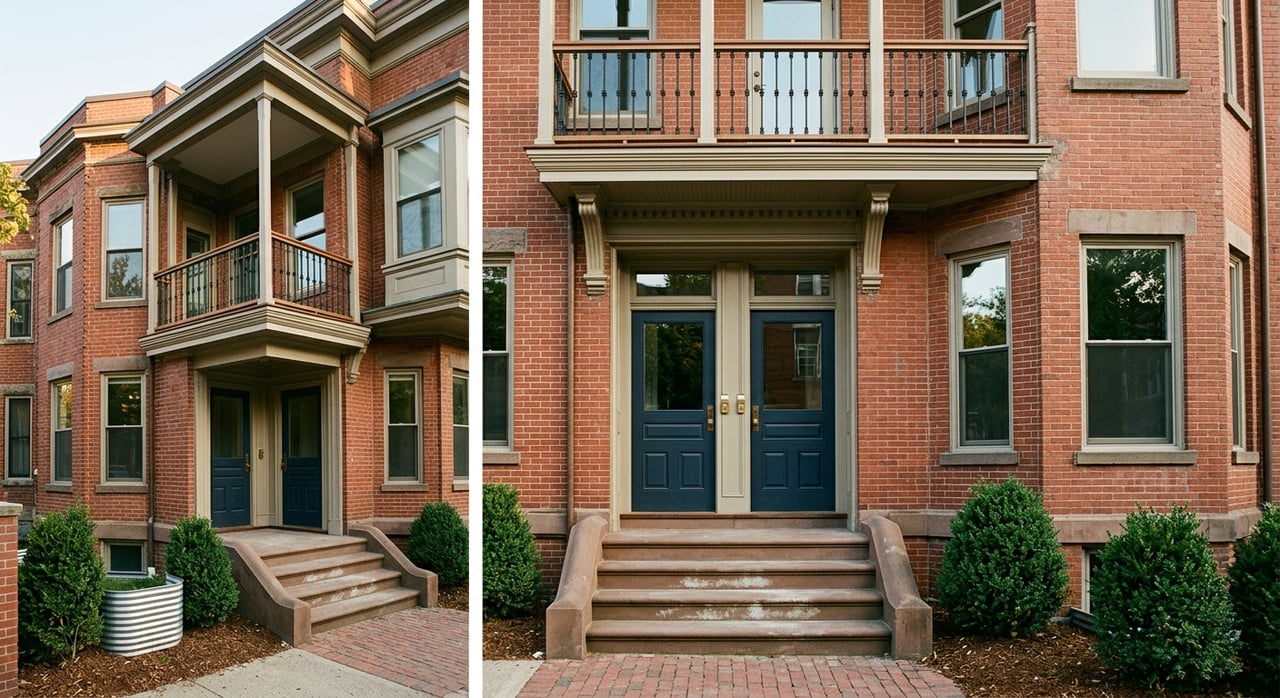
Coolidge Corner is one of Brookline’s busiest hubs. You’ll find independent shops, restaurants, and the landmark Coolidge Corner Theatre. Housing tends to be early 20th-century brick apartment buildings, multi-family homes, and condos, many in walk-up buildings. If you want lively street life and Green Line C branch access, this area is worth a close look.
These connected nodes feel a bit calmer than Coolidge Corner but remain very walkable. You’ll see a mix of smaller apartment buildings, multi-family homes, and some single-family houses. If you prefer neighborhood conveniences without the busiest nightlife, this is a good fit.
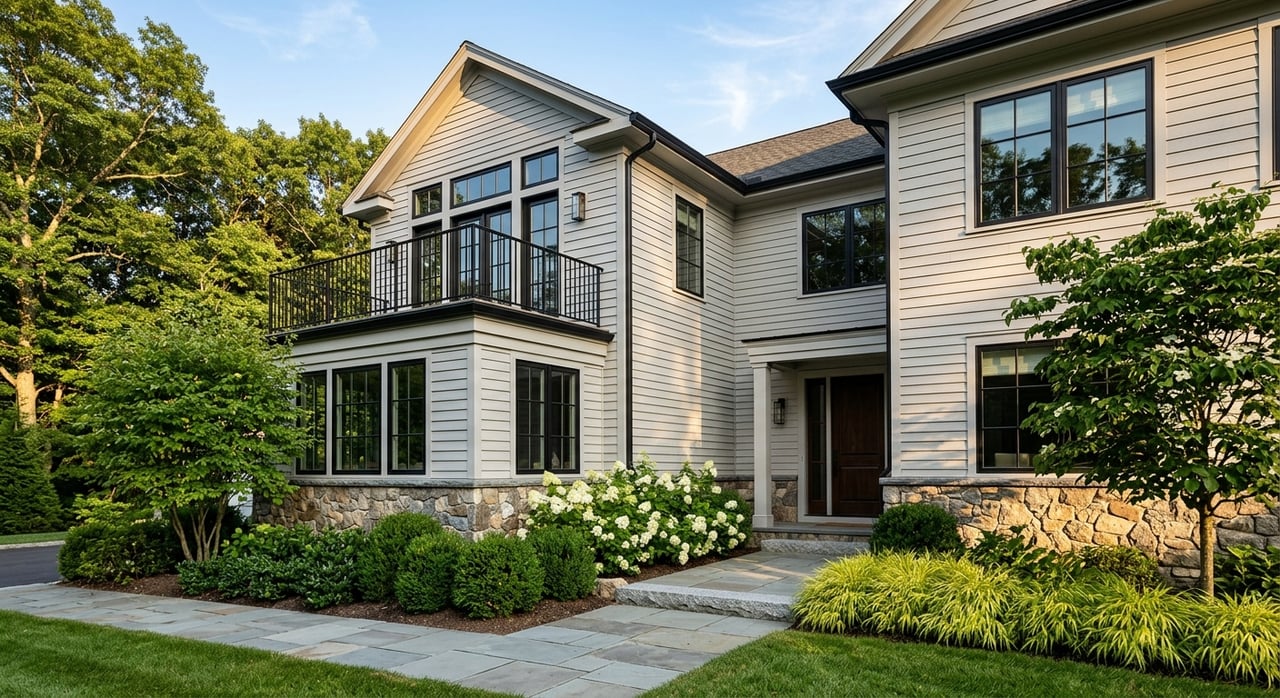
On Brookline’s western edge, this area leans more residential while staying close to Beacon Street and Chestnut Hill shopping. Housing includes larger Victorians, some single-family homes, and multi-family properties. Buyers often target this area for a quieter feel with D and C branch transit access nearby.
These are among Brookline’s leafiest residential areas, with access to the Reservoir and Olmsted parkland. You’ll see larger single-family homes, historic properties, and higher-end condos in limited supply. If you prioritize green space and a more tranquil streetscape, put these on your list.
This southern stretch sits near major hospitals and universities. Housing skews toward apartments and condo conversions, and the area stays active with students and medical staff. If you work in Longwood or want strong rental demand, this location is practical.
Brookline is known for convenient transit. The MBTA Green Line serves multiple corridors, with the C branch through Coolidge Corner and D branch around Reservoir and Cleveland Circle. From most stations, you can expect a typical ride to central Boston in under 30 minutes, depending on your exact start and end points. Explore schedules and maps through the MBTA Green Line.
Many neighborhoods are highly walkable and bikeable. That said, car ownership can be less convenient due to street congestion and permit rules. If you plan to keep a car, check local parking options and any resident permit requirements with the Town of Brookline.
Brookline benefits from parts of the Emerald Necklace, a series of historic parks designed by Frederick Law Olmsted. You can explore trails, ponds, and lawns through the Emerald Necklace Conservancy. Locals also enjoy the Reservoir, Olmsted Park, and Larz Anderson Park with its hilltop views and seasonal events.
Outdoor amenities are spread across the town, including playgrounds, tennis courts, community gardens, and recreation programs. Many residents plan their weekends around walking loops, youth sports, and the seasonal farmers’ market scene.
Brookline’s commercial corridors mix independent restaurants, bakeries, delis, and everyday services. You can browse books, grab a coffee, or catch a film at the Coolidge Corner Theatre, then pick up groceries on your way home. Public library branches host events and resources for all ages through the Brookline Public Library.
The John F. Kennedy National Historic Site, which preserves the birthplace of President Kennedy, offers local history and tours. Learn more from the National Park Service’s page for the JFK Birthplace.
Families often consider Brookline for its public school system and neighborhood amenities. School assignment and enrollment are administered by the Brookline Public Schools, and policies can vary by grade and year. For current profiles and performance information, consult the Massachusetts Department of Elementary and Secondary Education.
Private and parochial options exist in and near Brookline. When comparing homes, check school zoning, transportation routes, and after-school options that fit your routine.
Buying in Brookline often means weighing location, space, and convenience against budget and renovation plans. Use these points as a quick checklist.
Brookline is a premium market within Greater Boston. Market conditions have moderated from peak pandemic bidding, yet desirable micro-markets still command strong interest. Focus your search criteria and be ready to act when a well-presented property matches your needs.
Plan for property taxes, homeowners’ insurance, utilities, and any condominium association fees. Property taxes reflect assessed values and local rates, which you can review with town and state resources, including the Massachusetts Department of Revenue. For unit owners, request condo documents, budgets, and any recent special assessments to understand long-term costs.
Brookline has local zoning rules and several historic districts that can affect exterior changes and additions. If you plan to renovate or add living space, confirm requirements with the Town of Brookline, including permits, setbacks, and any preservation review. Rules on multi-family conversions and accessory dwelling units can be stricter than in some nearby communities.
On-street parking is regulated in many neighborhoods, and off-street spots or garages can carry a premium. Before you commit to a home, verify parking availability, garage dimensions, and any permit rules through the Town of Brookline. If you rely on transit, confirm your walking route to the nearest Green Line stop.
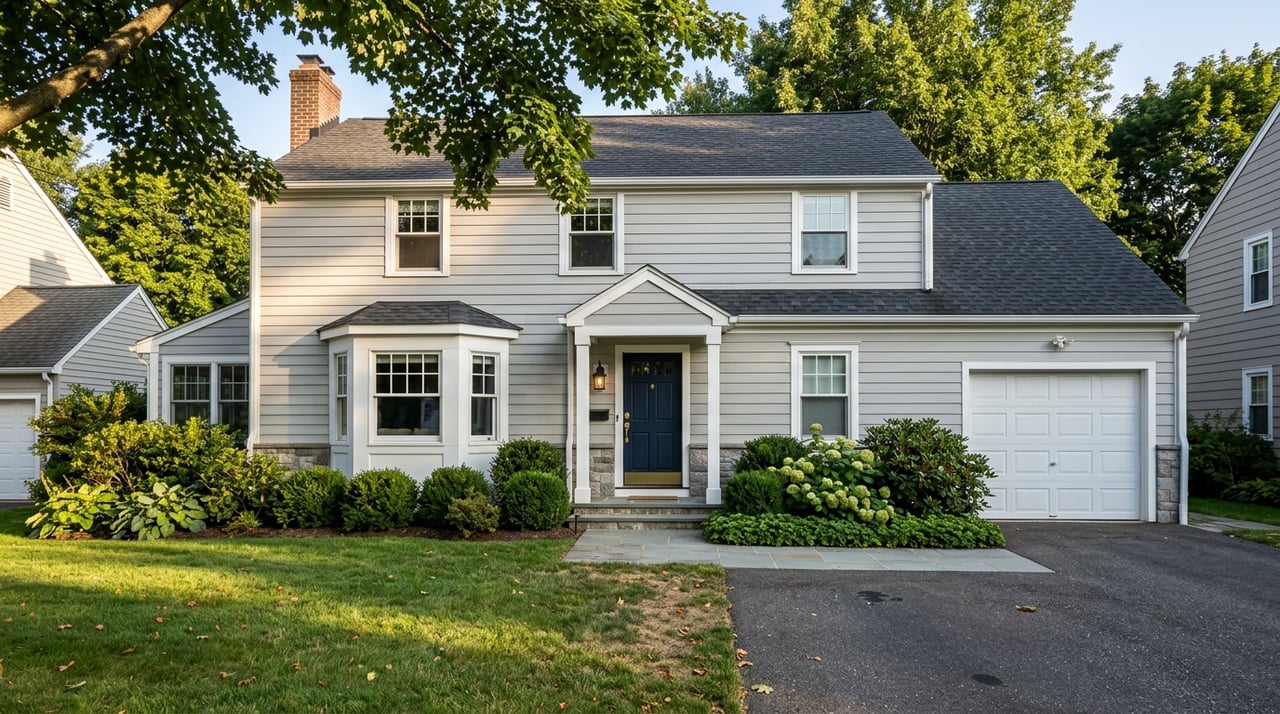
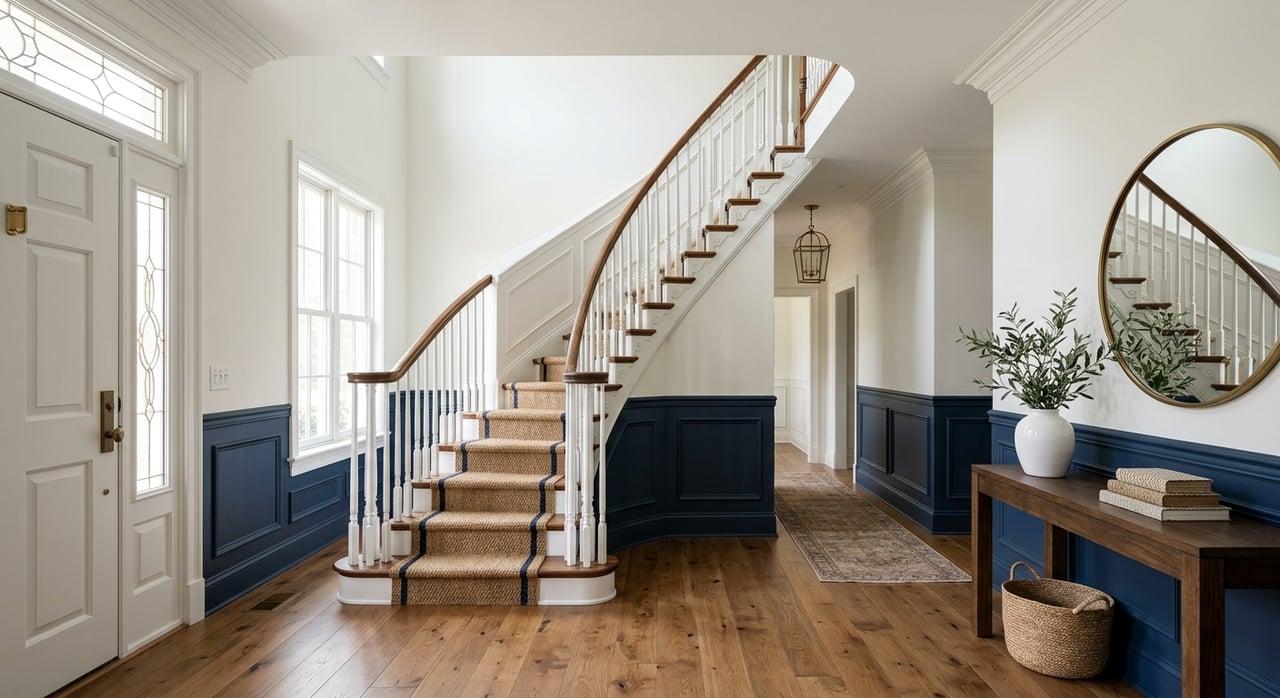
Many Brookline homes predate the mid-20th century. Expect inspections to check for older systems, potential lead paint, knob-and-tube wiring, and roof or foundation maintenance needs. Historic homes may require specialized contractors and longer timelines for approvals.
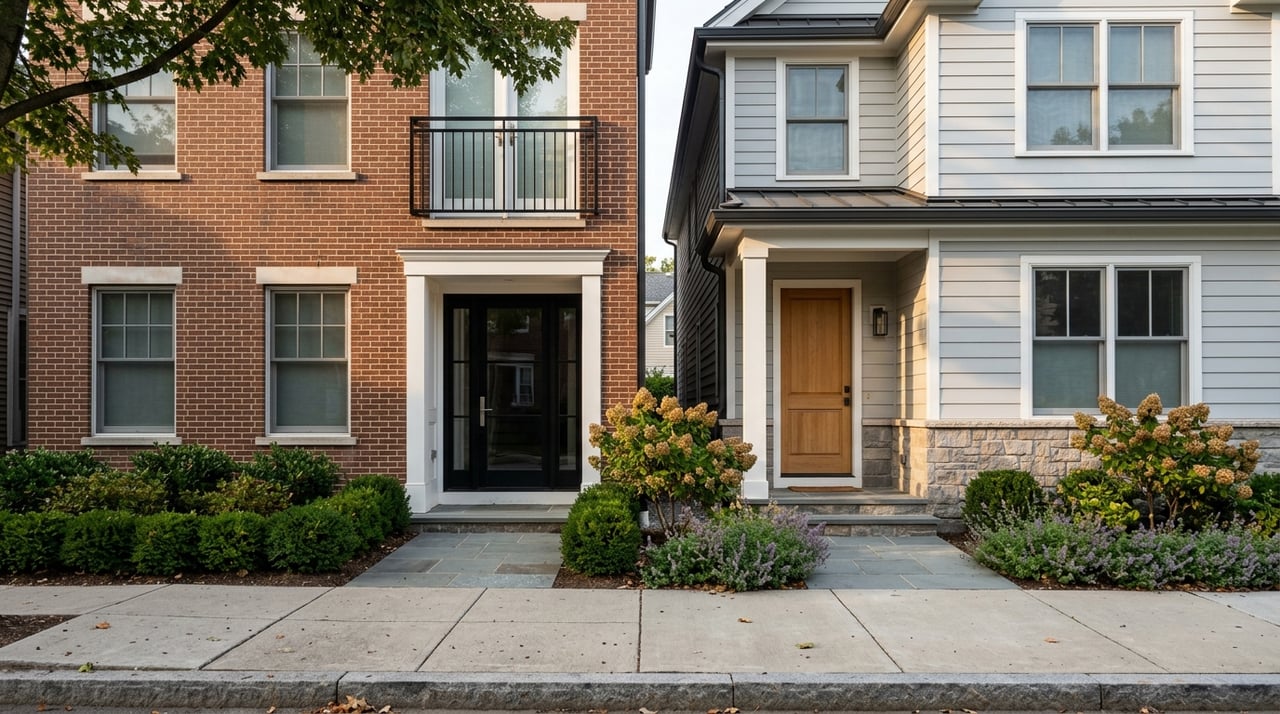
Two and three-family buildings are common, and some owners occupy one unit and rent the others. If that is part of your plan, review local landlord-tenant rules and speak with your lender about financing. Short-term rentals are subject to local regulation, so verify what is allowed before you buy.
If you want a town that blends walkability, transit, green space, and quick access to Boston, Brookline deserves a spot on your list. You can choose between lively commercial hubs and quiet, leafy streets, without sacrificing daily conveniences. The key is matching your lifestyle with the right micro-neighborhood and housing type.
If you would like a local perspective grounded in decades of neighborhood experience, reach out to Joan Solomont. Joan offers full-service buyer and seller representation, clear pricing guidance, staging and marketing coordination, and a calm, high-touch approach that keeps your goals front and center.
Reach out to Joan for expert real estate services. Buy, sell, or rent properties with confidence.
Get In Touch With Joan To Learn More
27 BOYLSTON ST STE 310 CHESTNUT HILL MA 02467