What Homeownership In West Roxbury Really Looks Like
June 18, 2026
June 18, 2026
Curious whether West Roxbury feels like “city living” or something a little different? If you are thinking about buying or selling here, that question matters because this Boston neighborhood has a rhythm all its own. West Roxbury tends to offer a more settled, homeowner-focused experience, with detached houses, larger lots, and daily routines shaped by local shops, commuter access, and abundant green space. Let’s take a closer look at what homeownership in West Roxbury really looks like.
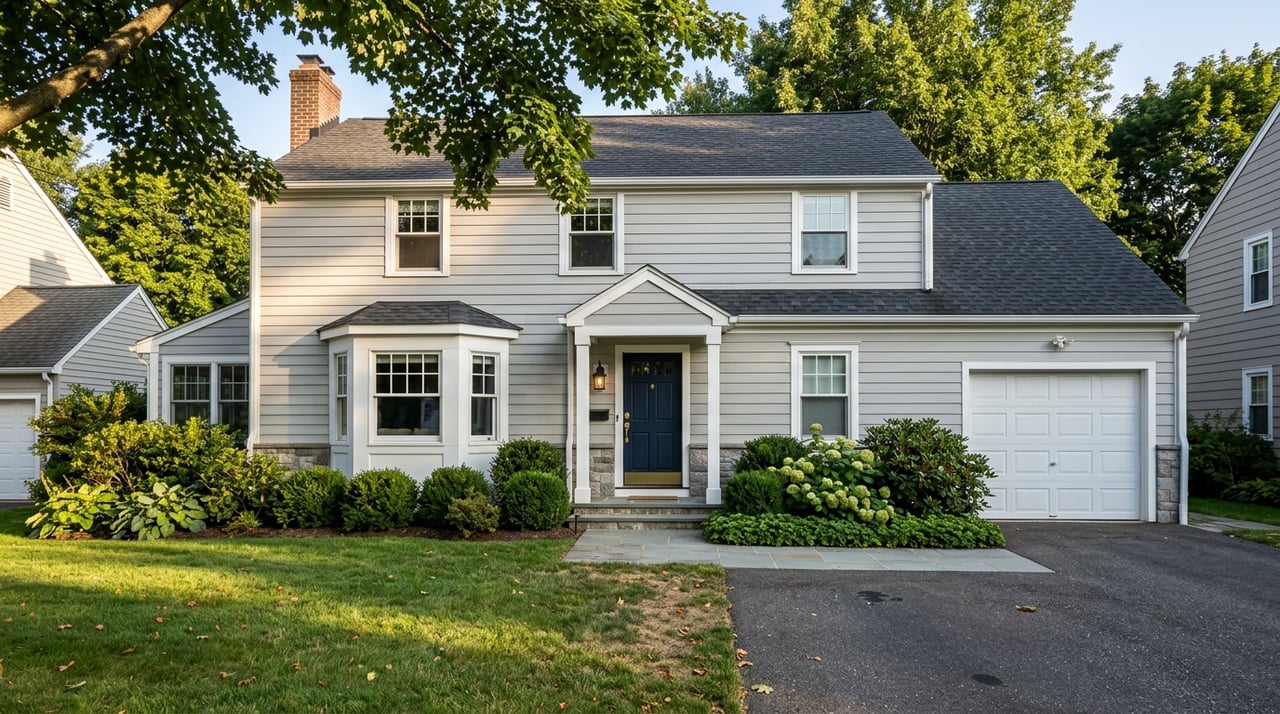
West Roxbury sits in Boston’s southwest corner and, according to Boston Planning, is often described as a suburban neighborhood in an urban setting. That description fits the area well because the neighborhood is known for tree-lined streets and a housing pattern centered on single-family homes. If you want a Boston address with a more residential feel, this is a big part of the appeal.
The neighborhood also has deep roots. West Roxbury dates to 1630, was annexed to Boston in 1874, and grew as a residential area after railroad expansion helped connect it more easily to the rest of the city. Today, that long history still shows up in the neighborhood’s established character and its steady, lived-in feel.
Boston Planning also estimates that about 31% of residents are 60 or older. That does not define every block or every household, but it helps explain why the area often feels settled rather than fast-changing. For many buyers and sellers, that sense of continuity is an important part of what makes West Roxbury attractive.
If you are comparing West Roxbury with other Boston neighborhoods, one of the clearest differences is its ownership pattern. A Boston Planning profile reported that 63.6% of housing in West Roxbury is owner-occupied. A 2023 city announcement also described the neighborhood as 38% rental, compared with 65% citywide.
Those numbers support something many people notice right away. West Roxbury tends to feel less like a high-turnover rental market and more like an established residential community. For buyers, that can mean a neighborhood where long-term ownership is common. For sellers, it can mean your home is part of a market that people often choose for stability and lifestyle, not just convenience.
The housing stock in West Roxbury stands out within Boston. According to Boston Assessing data cited in a Boston Planning profile, the neighborhood is made up of 70.2% single-family homes, 10.2% two-family homes, and 18.6% condominium units. That mix gives the area a distinctly house-focused identity.
For many buyers, that translates into a practical difference in how a home lives day to day. You are more likely to find detached homes, defined front yards, and layouts shaped by long-term residential use. For sellers, it also means buyers often come to West Roxbury specifically looking for this kind of setting.
Lot size is another piece of the picture. An older Boston Planning land-use report found that the median single-family lot size in West Roxbury was 5,663 square feet, with median two-family and three-family lots at 5,500 and 5,056 square feet. In a Boston context, that is notable and helps explain why the neighborhood often feels more spacious than denser parts of the city.
West Roxbury housing often reflects gradual evolution rather than wholesale redevelopment. A 2024 BPDA memo describing a Cape-style house in the neighborhood noted that 45-foot-wide lots were common on that block, even though the 1F-6000 subdistrict requires a 60-foot minimum lot width for single-family homes. The same memo noted that front porches, rear additions, and second floors are common contextual features.
That matters because it gives you a realistic sense of what the housing stock often looks like. Many homes are older and have been expanded or updated over time. Instead of rows of newly built homes with uniform footprints, you are more likely to see houses that have been adapted to changing needs while keeping a neighborhood scale.
For buyers, this can mean paying attention to how a home has been improved and how it fits the lot. For sellers, it means presentation matters. A home’s layout, updates, and site use are often part of the story buyers are evaluating.
One reason West Roxbury appeals to homeowners is that many day-to-day needs can be handled locally. Boston Planning identifies Centre Street as the neighborhood’s main commercial district, with restaurants, shops, and banks. West Roxbury Main Streets adds that the Centre and Spring Street corridor stretches for about two miles and includes independently owned specialty stores, restaurants, cafes, bakeries, pubs, and professional services.
That local commercial base helps make the neighborhood feel self-contained. You may still travel elsewhere for work or specialized errands, but a lot of everyday life can happen close to home. For many homeowners, that balance is part of the appeal because it combines neighborhood convenience with a more residential pace.
West Roxbury Main Streets also notes that Tim White Way provides pedestrian access from Highland Station to shops, the post office, and restaurants. Small details like that matter because they shape how easy it feels to move through the neighborhood on an ordinary day.
West Roxbury is connected to the broader city, but it is not defined by a car-free lifestyle. Boston Planning notes that residents have access to Downtown Boston through the Needham Line commuter rail and MBTA bus service. That gives homeowners transit options that can support commuting and city access.
At the same time, the 2025 neighborhood profile says 62.7% of resident workers drove or carpooled to work, while 12.6% used public transit. It also reported that 10.7% of households had no vehicle. Taken together, those figures suggest a neighborhood that is transit-connected but still strongly car-oriented.
If you are considering a move here, it is worth thinking about how you actually live. If you want some rail and bus access but still expect to drive for many routines, West Roxbury may feel like a comfortable fit. If you are selling, that same pattern can shape how buyers think about parking, driveways, and overall convenience.
West Roxbury’s outdoor amenities are one of its strongest lifestyle features. Boston Planning says the neighborhood has nearly 1,200 acres of open space, including the 100-acre Millennium Park with trails and a canoe launch. The neighborhood also borders the 475-acre Stony Brook Reservation.
Boston’s Parks Department says Millennium Park was reclaimed from the Gardner Street Landfill, while Mass.gov describes Stony Brook Reservation as the largest forested open space in Boston. The reservation includes up to 12 miles of trails along with a range of recreation facilities. For homeowners, that amount of nearby open space can have a real effect on how weekends and free time unfold.
Instead of feeling tied to dense commercial activity, your routine may naturally include trails, playgrounds, sports fields, or simple outdoor time. Boston Planning also notes that smaller parks sit between the two major green spaces, which reinforces the area’s outdoors-oriented pattern. It is one of the clearest ways West Roxbury’s lifestyle and housing stock work together.
If you are buying in West Roxbury, the value is not only about the house itself. It is also about the way the neighborhood supports a certain kind of daily life. The combination of owner occupancy, detached homes, larger lots, local shopping, transit access, and open space creates a very specific experience within Boston.
That does not mean every home or every block is identical. It does mean that buyers often come here looking for a neighborhood that feels established, practical, and residential. Knowing that can help you focus your search on the features that matter most to how you want to live.
If you are selling in West Roxbury, your home is part of a market with a clear identity. Buyers are often responding to more than square footage alone. They are also weighing lot size, home style, neighborhood setting, proximity to Centre Street, commuter access, and nearby green space.
That is why strong positioning matters. A thoughtful strategy should show not just what your home offers, but how it fits the lifestyle buyers are looking for in West Roxbury. In a neighborhood where context matters, clear pricing, polished presentation, and local insight can make a meaningful difference.
West Roxbury stands out because it offers a version of Boston living that feels more grounded in homeownership, space, and neighborhood routine. If you are buying, it helps to understand how the area lives beyond the listing photos. If you are selling, it helps to work with someone who can translate that lifestyle into a compelling market story. To talk through your next move with a trusted local advisor, Joan Solomont.
Reach out to Joan for expert real estate services. Buy, sell, or rent properties with confidence.
Get In Touch With Joan To Learn More
27 BOYLSTON ST STE 310 CHESTNUT HILL MA 02467