Brookline Inspection Contingencies for Savvy Buyers
November 21, 2025
November 21, 2025
Buying in Brookline often means falling in love with an older, character-filled home or a classic condo conversion. That charm can come with questions about the building’s systems, safety, and future costs. A well-written inspection contingency gives you time to get answers and protects your deposit while you decide how to proceed. In this guide, you’ll learn what an inspection contingency is, realistic Brookline timelines, what to inspect in older homes and condos, and how results shape negotiations. Let’s dive in.
An inspection contingency is a clause in your contract that gives you a set period to inspect the property and decide how to move forward. During this window, you can accept the home as is, request repairs or a credit, or terminate and recover your earnest money if the contract allows it. The exact rights come from the written language in your agreement and Massachusetts law, so review with your agent and a Massachusetts real estate attorney before you sign.
Most clauses cover the start and end dates, the types of inspections you may perform, and what happens if you find problems. Common options include a general home inspection plus specialized tests like radon, sewer scope, oil tank sweep, pest, lead paint, chimney, and structural evaluations. Sellers are not required to make repairs unless they agree in writing, so the contingency is your due diligence period, not a guarantee of repairs.
To understand inspection scope and buyer expectations, review consumer guidance from the National Association of Realtors and inspection standards from ASHI or InterNACHI. In Massachusetts, inspectors must be licensed through the state’s Board of Registration of Home Inspectors, part of the Massachusetts Division of Professional Licensure.
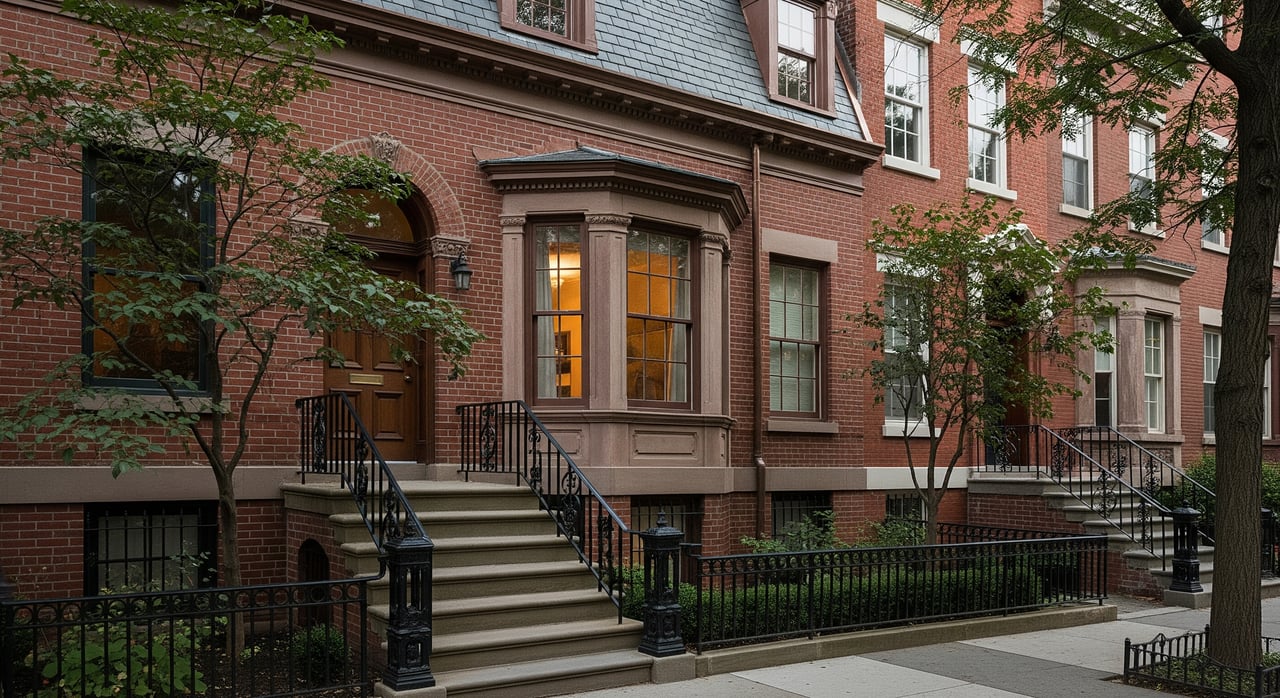
Brookline’s housing stock includes many late‑19th and early‑20th century homes, two‑ and three‑families, and condo conversions. Older buildings can have aging systems and materials that deserve a closer look. Your inspector may recommend specialists based on what they see and the property’s age.
Focus your inspections on:
If the property sits in a local historic district, exterior repairs or replacements may need preservation review. Before assuming you can swap windows, roofing, or siding, check with the Town via the Brookline, MA government site for Preservation Commission rules and processes.
Condo inspections focus on the unit interior and visible systems within the unit. Common elements like the roof, foundation, boilers, and exterior are usually maintained by the association and may not be fully accessible during a standard inspection. This is why document review is just as important as the physical inspection.
Ask for bylaws, financial statements, recent meeting minutes, reserve studies, and records of major repairs. Look for upcoming projects, special assessments, and the age and condition of common systems. For inspection scope and best practices, review consumer resources from InterNACHI and ASHI.
In Greater Boston, inspection contingencies typically run 7 to 14 calendar days. In competitive, multiple‑offer situations, some buyers shorten the period to 3 to 5 days. Condos often use similar windows but may need extra time to obtain and review association documents.
Plan your schedule so you can finish tests and negotiate before the deadline. Typical timing looks like this:
If a test will not be complete before your deadline, request a written extension or an addendum. Without an extension, you risk losing your right to terminate based on that test. For planning your sequence, consumer guidelines from InterNACHI can help you map out the order and timing of inspections.
After reviewing your reports, you can proceed as is, request repairs, ask for a credit or price reduction, seek bids to inform negotiations, or terminate within the contingency if the contract allows. In Brookline’s older housing market, sellers often expect cosmetic items to be the buyer’s responsibility. Health and safety issues like gas leaks or missing smoke and carbon monoxide detectors are commonly addressed or credited.
For major capital items such as a full roof replacement or a full electrical upgrade, sellers may prefer to offer a credit rather than complete the work. In competitive markets, some sellers expect buyers to account for older systems in their initial offer. For condos, if the inspection and documents point to common‑area issues or a likely special assessment, use those findings and any available engineering reports to guide your negotiation.
If you need to walk away, do it by the deadline and in the manner your contract requires. When properly exercised, inspection contingencies typically allow you to recover your earnest money. Missing the deadline or citing reasons not allowed by the contract can put your deposit at risk, so coordinate closely with your agent and attorney.
A clear inspection plan helps you protect your deposit, budget for future work, and negotiate from a position of confidence. If you want a local guide who understands Brookline’s older housing stock, condo dynamics, and negotiation norms, connect with Joan Solomont to map your strategy and timing. Request a complimentary market consultation and move ahead with clarity.
Reach out to Joan for expert real estate services. Buy, sell, or rent properties with confidence.
Get In Touch With Joan To Learn More

27 BOYLSTON ST STE 310 CHESTNUT HILL MA 02467